










Someone was banging the church door on a saturday: A sunburned woman, whose face I recognized. She had been living on the streets, fighting addiction, and occasionally came to our free weekly community meal. In her hand was an open cup of dollar-store instant noodles. She asked for hot water. I asked her to wait so I could heat water. When I returned with a pot, her cup included two jalapeño peppers, freshly plucked in my absence from the church garden.
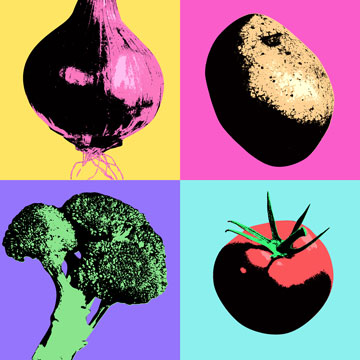
As part of the church’s mission to help those in need, my wife planted a garden with the help of a 4-H Club and some university agriculture students. The idea was to bring fresh vegetables into a food desert, and any harvest supplies both the weekly meal and congregants in need.
In a neighborhood filled with deep and daily struggles, the garden remains a picture of hope: Seeds, tended well, can bring life. The theology seems to hold as the Bible is filled with allusions to agriculture and growth. But there’s far more nuance and difficulty in the work.
An old farmer once offered the slight joke that worry and waiting were his key duties. The reality is that there is always an abundance of work in agriculture, and there is no shortage to adjusting to the uncontrollable aspects – the vagaries of weather, insects, soil, and markets – and waiting to see whether the efforts literally bear fruit. Thus, the power of the biblical description.
However, in leadership literature, the portrait is often that of a ship’s captain heroically navigating dangerous seas to move the craft out of harm’s way and into safety and smooth waters.
However, in life and leadership, the biblical motif of seasons, cycles, working, and waiting better fits, notably in both church and theological education. We steward what we receive more than direct what we command. The fields and seeds existed long before we did, and while we work toward the harvest and imagine and implement ways to reap better and more sustainable crops, we often don’t control the circumstances or much of the outcome.
Last year, the pear tree planted in a previous generation didn’t bear its effervescent fall fruit because of an untimely early spring freeze, yet in the garden, a bounty of squash came off a vine that wasn’t planted that season – a “volunteer” that popped through from a previous season.
The work of theological education is, really, to prepare and bless those we may never see. The graduates go on to do the work they’ve been trained to do for people we never meet.
The Lord of the harvest provides: We plant, water, and pray for a crop someone else may harvest, whether a congregant or an itinerant neighbor in need of spice in the soup.