









Howard Thurman
Reflections on a Luminous Life
James Earl Massey edited by Curtiss Paul DeYoung
Friendship Press, 2026
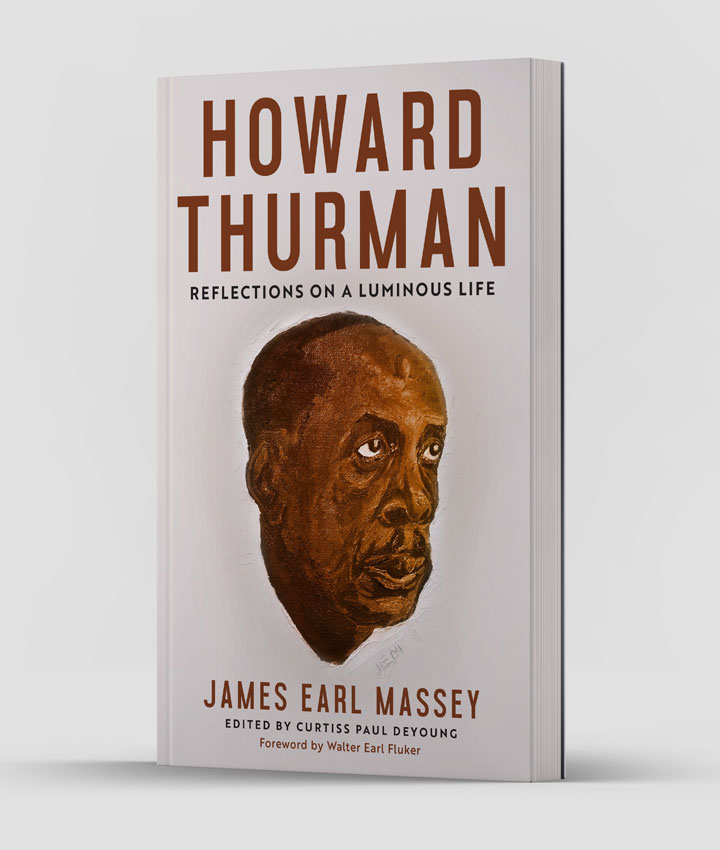
This posthumous publication fascinates on many levels. Author James Earl Massey gives a multidimensional account of his legendary mentor, Howard Thurman, delving into Thurman’s biographical details, assessing his preaching and theology, and exploring his contributions to a wide range of subjects, including mysticism, interreligious work, and the Civil Rights Movement in Howard Thurman: Reflections on a Luminous Life, edited by Curtiss Paul DeYoung, (Friendship Press, 2026).
Particularly fascinating is that Massey wrote and revised his manuscript several times in the 1970s but never published it. He asked former student and protégé Curtiss Paul DeYoung to serve as his literary executor upon his death. DeYoung did so, and the book was finally published eight years after his death, and 45 years after Thurman’s.
DeYoung presents Massey’s 1977 manuscript, lightly edited; Massey’s portrait of Thurman graces the book cover. DeYoung’s editorial prologue and postlude and Walter Earl Fluker’s foreword provide deeply meaningful context for Massey’s work. Their contributions address the complexities of writing about an extraordinary individual. The book is evidence of how theological education, at its most inspired, is both deeply personal and generational.
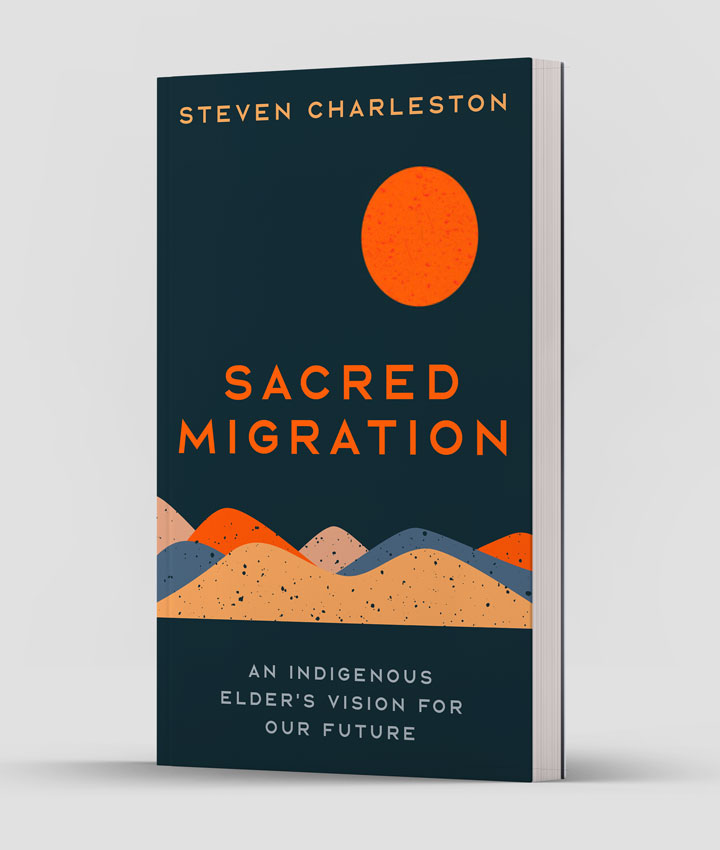
In Sacred Migration
An Indigenous Elder’s Vision for Our Future
Steven Charleston
Broadleaf Books, 2026
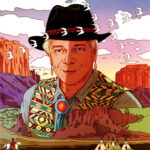
When we hear stories about migration, we often hear about the desperation, trauma, and tragedy of forced migration. But Steven Charleston, a Choctaw elder, Episcopal bishop, and former dean of Episcopal Divinity School, instead encourages a hopeful vision of sacred migration – one that leads us “out of our current situation and toward a peaceful future.” Charleston writes that while everyone has an ancestral experience of migration, not everyone remembers it.
Indigenous cultures do, and he draws on Native American traditions in particular, including his own, to help readers to better understand the promise of migration and the nature of change.
“Migration is generative,” Charleston writes. “It makes us grow.” In Sacred Migration: An Indigenous Elder’s Vision for Our Future, (Broadleaf Books, 2026), he credits the development of human agency, leadership, ethics, trust, and much more to the experience of migration – and he invites readers to embark with him on a new spiritual migration. “Migration is community in the making,” he writes. “It overcomes our sense of difference by grounding us in our shared journey.”
The second half of the book addresses the qualities needed to participate in this sacred migration – imagination, perception, humility, and kindness – and articulates three key focal points for participants: location (past), destination (future), and situation (present). Charleston is a calm, plainspoken guide for what promises to be a challenging and fruitful journey.
Have you found an engrossing movie or an absorbing book? Write to us at editors@intrust.org.