










Well-equipped, successful leaders of theological schools emerge from a wide range of backgrounds. Academic institutions are increasingly complex and idiosyncratic entities, and I’m not surprised that the percentage of leaders coming from within academia has grown (Cultivating Leaders, Summer 2026). I first sat on a presidential search committee as a junior faculty member; several dozen faculty, deans, clergy, denominational officials, and non-profit leaders crafted compelling cases to serve as the school’s next president. With no shortage of opinions about the school’s challenges and goals, the search committee debated which applicants seemed best qualified to serve. Though I think we hoped the mythical, perfect candidate would appear, no applicant possessed the full set of skills the robust position description outlined. Our task was to discern and then communicate the experiences and capacities the successful candidate brought and what they would need to develop in office. At their best, searches prompt honest reflection about a school’s strengths, weaknesses and hopes, along with awareness of how senior leaders will grow while serving. Programming through the Association of Theological Schools (via leadership development gatherings, support for Pathways projects, and the provision of data and resources) is designed to help leaders gain knowledge, reinforce strengths, and have ready access to the fellow-travelers and institutions needed to fill the inevitable gaps that will exist. Search committees and boards will do well to be clear-eyed about what is most critical in a hire and to both encourage and support ongoing leadership development for their chosen candidate.
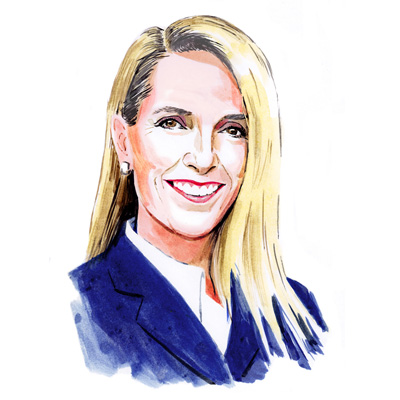
Heather Campain Hartung, Ph.D.
Senior Director of Programs and Initiatives, The Association of Theological Schools
At the center for congregations, thanks to the generosity of Lilly Endowment Inc., our mission is to strengthen Indiana congregations by helping them find the best resources to address their challenges and opportunities, sharing what we learn nationally. Much of our staff’s time is spent in Appreciative Inquiry-based resource consulting with congregational leaders, and the unevenness described in the Hartford study (Congregational Recalibration, Summer 2026) resonates. We have seen unusually large numbers of congregations seeking resources to expand, an expansion more concentrated in some expressions of Christianity than others. We were delighted to note the study’s identified gains in clergy well-being, and we wonder how that relates to the interest we see in resourcing mental health. Perhaps destigmatizing mental health needs for clergy is having an impact on communal willingness to engage these issues. We also were interested in the data about volunteering. We continue to hear that congregations struggle to find enough volunteer labor to support programming; this may be a function of smaller congregations increasingly turning to the Center, but it may also be related to broader shifts in demographics and the ways in which people prefer to offer their limited time. Paying deep attention to the characteristics of this current ambiguity will help local faith communities address their own challenges and notice their own opportunities – some of which may be unexpected.
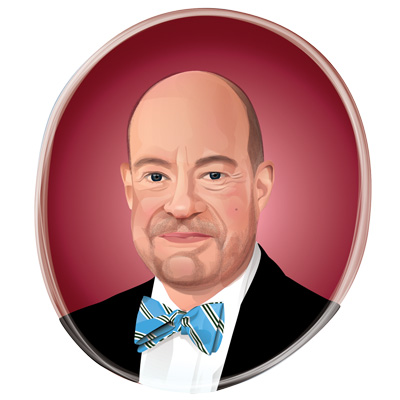
Elise Erikson Barrett, Ph.D.
President, Center for Congregations
In Trust magazine welcomes your letters! Please email them to editors@intrust.org.