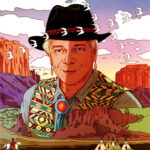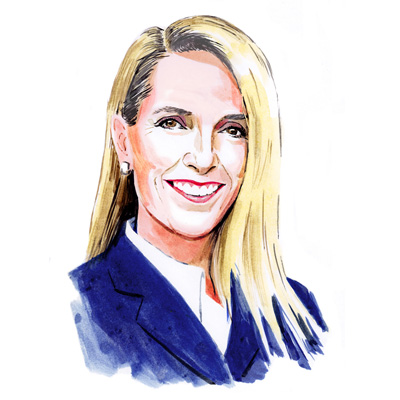












Innovation in theological education is a habit of discernment rooted in mission. That’s the focus of a new In Trust Center video series, “Practicing Innovation,” where host Greg Henson, D.Min., president of Kairos University, interviews Jeff Carter, D.Min., president of Bethany Theological Seminary, about the ways faithful, patient innovation unfolds over years, and not in moments of urgency. Together they reframe innovation from pursuit of the next big idea to faithful embodiment of the gospel with clarity, courage, and consistent stewardship.
No Quick Fixes
Carter recalls the myriad of financial and relational expectations that often greet a new president, and early on he resisted the illusion of being “the wizard of quick fixes.” Instead, he redefined his presidency as a vocation of stewardship, leading in service to mission rather than metrics. Urgency, Carter notes, is then re-situated within a larger context: Are we doing what we were created and called to do? That question turns to Bethany’s founding mission, transforming innovation from a sprint for solutions into a stewardship of purpose.
Mission, Not Survival
Henson cautions against pursuing innovation merely to keep an institution alive. Carter recalls moments when Bethany was offered promising opportunities, even ones with significant funding, that did not align with the seminary’s identity. Saying no to these temptations, he notes, is often the clearest expression of mission-centered leadership.
Yet for Carter, mission-first thinking never ignores finances or enrollment. Stewardship still requires attending to budgets, students, and sustainability, but always as expressions of calling rather than drivers of decision-making. He states that the guiding discernment is theological: Will this action help the seminary embody the gospel as it understands it? If not, even an attractive path becomes the wrong one. This posture creates a culture where innovation is measured not by novelty or growth but by faithfulness. Carter and Henson agree that when the mission remains the focus, the institution resists drifting toward opportunities that may look promising but may also diverge from its core identity in unproductive ways.
Start Small
Healthy innovation, Carter says, starts with taking small risks and learning from them. At Bethany, those early steps built confidence to take larger ones; gradually the community’s mindset shifted, and resources stopped feeling like scarce commodities and became instead gifts to share.
According to Carter, trust is the foundation that makes such risk-taking viable, which he builds through “Coffee with Carter,” a weekly 30-minute open conversation. His goal is transparency that addresses hopes and hazards, reduces anxiety, and creates a shared narrative. He believes that when trust grows, boards, faculty, staff, and students can collaborate with courage, not fear.
Emergent, Spirit-led Planning
Both Henson and Carter agree that rapid shifts in church and culture make rigid roadmaps unreliable. Bethany replaced its traditional five-year plan with “emergent planning” organized around enduring questions: Who is our education for? How should we be known? What is our relationship with the church? How do we ensure sustainability?
Rather than predicting outcomes, the seminary takes the next faithful step, learns, then takes another. Initially, Carter says, this approach unsettled people, but soon they saw it align more deeply with purpose. It even opened surprising new paths, such as a technology center for students in Africa.

Lead with God-given Gifts
Carter recommends an asset analysis for leaders to identify the gifts God has entrusted to the institution, and to discern how they meet the needs of students, churches, and neighbors.
He recalled the school’s rural location in Richmond, Indiana, initially seen as a liability but, in his view, an asset. Housing costs are low in the region; the seminary purchased and renovated homes and offered them rent-free to students. This became a tangible expression of mission, strengthening community, supporting formation, and expanding access for students to theological education.
Cultivate Hope
Carter’s story is not about chasing novelty, but about pursuing faithfulness, stewarding mission with patience, embracing risk and generosity, communicating with candor, and treating planning as a continuous act of communal discernment.
Henson says this approach offers a different rhythm: rooted in calling, urgent where necessary, it leads institutions to remain attentive to the Spirit, aligned with mission, and honest about trade-offs. More than simply surviving disruption, faithful discernment is a source of hope.
To view this video and others in the series, click here